
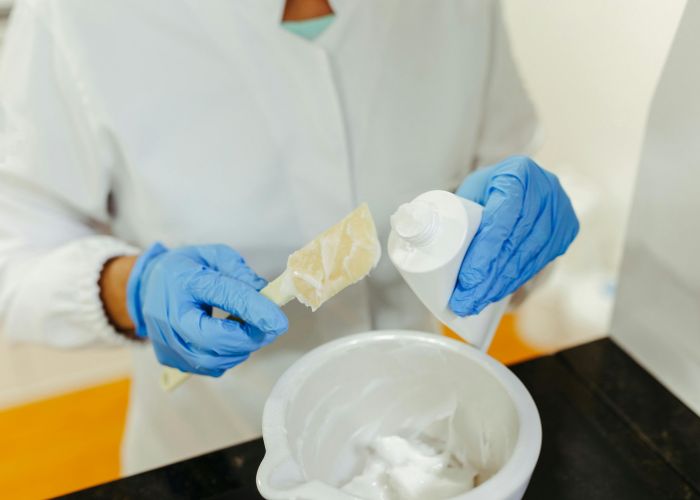
When it comes to disposable gloves, comfort is often overlooked. Most people think only about protection and durability, but if you’re wearing gloves for hours at a time, whether in healthcare, food handling, or industrial work, your comfort is also important. That’s why nitrile gloves have become so popular: they strike a balance between safety, durability, and ease of use.
However, the wrong pair of nitrile gloves can feel too tight, too loose, or leave your hands sweaty and fatigued. So, how do you choose the right nitrile gloves for maximum comfort? Read on:
Why Nitrile Gloves Are So Popular
Nitrile gloves are made from synthetic rubber (nitrile butadiene rubber), which gives them several advantages:
- Latex-free: Safe for people with latex allergies.
- Durable: More puncture-resistant than latex or vinyl.
- Chemical-resistant: Holds up against oils, solvents, and cleaning products.
- Comfortable fit: Designed to mold to your hand over time.
These benefits explain why nitrile gloves are now the go-to choice in hospitals, food service, labs, cleaning services, and even at home for DIY projects.
Factors That Affect Comfort in Nitrile Gloves
When it comes to comfort, not every glove feels the same. Here are the key factors to consider:
1. Thickness
- Thin gloves (3–4 mils) are lightweight and provide more dexterity and tactile sensitivity, making them ideal for medical exams or food prep.
- Thicker gloves (6–8 mils or more) offer extra protection but may feel bulkier, which can reduce comfort if worn for long periods.
2. Fit and Size
Choosing the right size is important. A glove that’s too tight restricts movement and causes hand fatigue, while one that’s too loose slips off and reduces control. Always check the sizing chart, measure the circumference of your palm to get the best fit.
3. Texture and Grip
- Smooth gloves feel softer but may be slippery when handling wet or oily objects.
- Textured fingertips or fully textured gloves improve grip and prevent hand strain when working in tough environments.
4. Powdered vs. Powder-Free
- Powdered gloves are easier to put on and reduce sweating, but the powder can dry out skin or cause irritation.
- Powder-free gloves are smoother, cleaner, and widely used in healthcare to reduce contamination risks.
5. Stretch and Elasticity
High-quality nitrile gloves stretch without tearing and mold to the shape of your hand, providing comfortable fit for extended use.
Choosing the Right Gloves by Use Case
Not all gloves work for every situation. To maximize comfort, match the glove type to the task:
- Medical and Healthcare Settings: Use lightweight nitrile gloves (around 3–4 mils) for better sensitivity and less hand fatigue during long shifts.
- Food Handling: Go for fitting, thinner gloves that are FDA-approved for food safety. Comfort is important when working fast.
- Industrial or Heavy-Duty Work: Choose thicker nitrile gloves (6–8 mils or more) with textured surfaces for grip. They may feel heavier but protect against punctures and harsh chemicals.
- Household or Everyday Use: Medium-thickness gloves work best for cleaning, gardening, or small repairs. They balance comfort and durability.
Tips for Maximizing Comfort
Even the best gloves can feel uncomfortable if used incorrectly. Here’s how to make your nitrile gloves feel better:
- Pick the right size: Measure your hand and compare it to the brand’s sizing chart.
- Rotate gloves: Don’t use heavy-duty gloves for light tasks, they’ll only make you uncomfortable.
- Store them properly: Heat and sunlight can make gloves brittle and less flexible.
- Take breaks: If you’re wearing gloves for hours, take short breaks to let your hands breathe.
- Look for extra features: Some gloves are designed with ergonomic shaping or softer finishes for long wear.
Eco-Friendly and Skin-Friendly Options
If you’re environmentally conscious or have sensitive skin, there are options to keep comfort and safety in balance:
- Biodegradable nitrile gloves: Some brands now produce nitrile gloves that break down faster in landfills.
- Hypoallergenic formulas: Great for people with sensitive skin or who experience irritation with standard nitrile.
- Dermatologist-tested gloves: Designed to reduce sweat and irritation during extended use.
These newer glove technologies combine comfort with sustainability and skin health so you don’t have to compromise anyone.
Conclusion
The right nitrile gloves can make your job easier, safer, and far more comfortable. Choosing gloves based on thickness, size, texture, and intended use will help you avoid hand fatigue and irritation. Whether you’re a healthcare worker, chef or cleaner, picking the right pair ensures maximum comfort without sacrificing protection.
Frequently Asked Questions
- How do I know what size nitrile gloves I need?
Measure the circumference of your palm and compare it to the sizing chart provided by the glove manufacturer. Gloves should feel fit but not tight.
- Are thinner nitrile gloves less protective?
Not always. Thinner gloves provide better dexterity and comfort but may not be ideal for heavy-duty tasks. Choose thickness based on the level of protection you need.
- Can nitrile gloves cause skin irritation?
They’re latex-free and hypoallergenic, but some people may react to chemicals used in production. If irritation occurs, try dermatologist-tested or hypoallergenic nitrile gloves.
- What’s the difference between powdered and powder-free gloves for comfort?
Powdered gloves are easier to put on and reduce sweating, but the powder can irritate your skin. Powder-free gloves are more comfortable for sensitive skin and widely used in healthcare.
- Are there nitrile gloves designed specifically for long wear?
Yes. Some brands offer ultra-soft nitrile gloves with ergonomic shaping to reduce hand fatigue, making them perfect for long shifts.