
How to Avoid Common Glove Allergies and Irritations
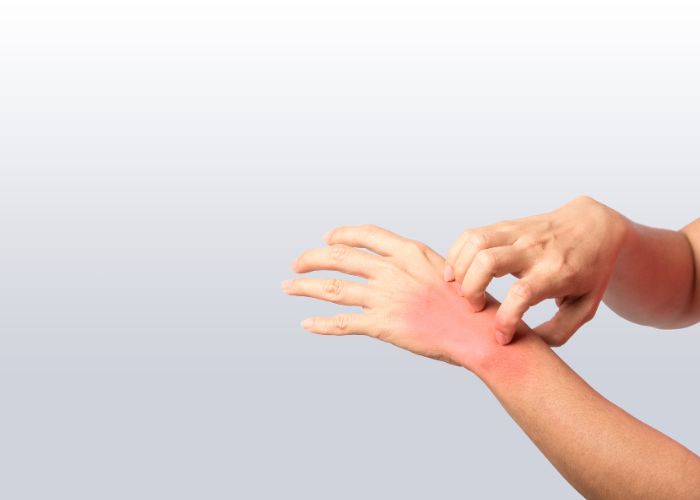
If you wear gloves regularly, whether for work, cleaning, cooking or healthcare, you already know they’re very important for your protection. But things get complicated when the very thing means to protect your hands starts causing problems like itching, rashes or dry irritated skin.
Glove allergies and irritations are common but they’re easy to avoid once you know what’s causing the issue and how to fix it.
In this article, we’ll explain some simple ways to keep your hands irritation-free.
Figure Out What’s Causing the Reaction
The most common glove that causes reaction is latex. Some people are allergic to the natural proteins found in latex, which can cause anything from mild redness to serious reactions.
But latex isn’t the only cause of reactions, even latex-free gloves (like nitrile or vinyl) can cause irritation if they contain chemical materials used during manufacturing.
These chemicals help shape and strengthen the gloves but can trigger contact dermatitis in sensitive skin. So, if you’re noticing dryness, rashes or itching, you might need to check the glove again.
Choose the Right Gloves
Once you’ve been able to determine what’s causing the issue, it’s easier to find the right glove material for you.
- Most people prefer nitrile gloves to latex because they’re tough, hypoallergenic and great for sensitive skin.
- Vinyl gloves are affordable and good for short-term, low-risk jobs like meal prep.
- If you’re super sensitive, look for accelerator-free gloves because they’re designed specifically for those prone to skin reactions.
It may take some trial and error, but finding the right glove at the end will be worth it.
Practice Good Hand Hygiene
Even if you’re using the best gloves for your skin, you can still experience irritation if you don’t take proper care of your hands. Before putting on gloves, wash and dry your hands thoroughly, especially between your fingers. If your hands are still moist when you wear a glove, it’s gives chance for irritation and even fungal infections. After removing gloves, apply a gentle, fragrance-free moisturiser to keep your skin hydrated. So, never put on gloves on wet hands.
Use and Replace Gloves Properly
There’s a right way to use gloves:
- Don’t reuse disposable gloves because they’re not made for multiple uses. Dirty can build up inside and irritate your skin.
- Change gloves in between tasks to avoid cross-contamination.
- If you use reusable gloves, wash and dry them after every use to keep them clean and safe for your skin.
Know When to See a Professional
If the irritation won’t go away, or if you’re getting worse reactions over time, you should probably check in with a dermatologist. A quick test can help you determine the exact cause and guide you towards the right solution.
Conclusion
Your gloves should protect your hands not put them in uncomfortable position. Taking your time to select the right glove materials before you wear them will help you avoid glove allergies and irritations easily.